

Text by Jennifer F. Manongdo
Photos by Charmaine A. Lingdas
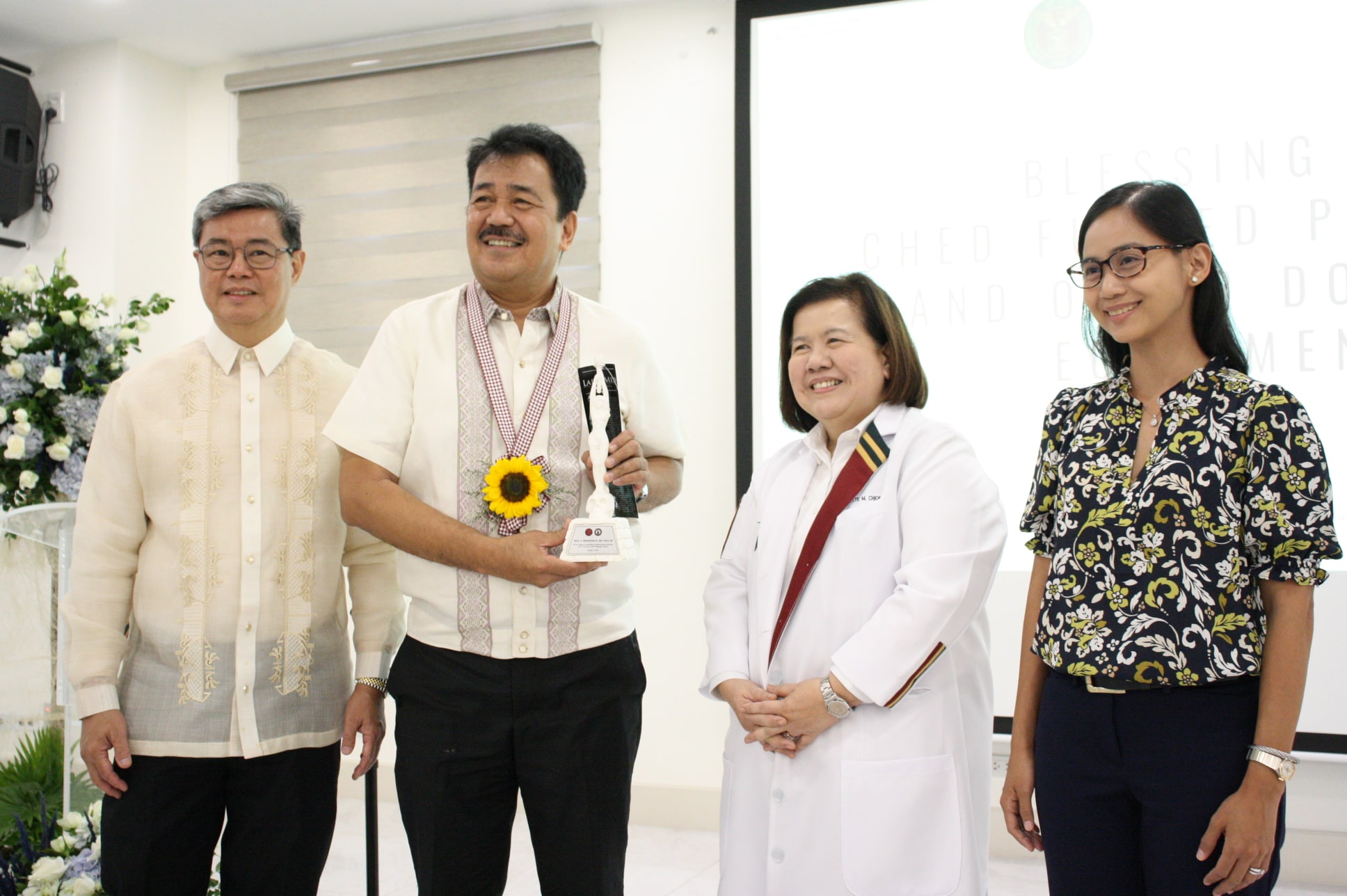
The University of the Philippines Manila has assumed a leadership role in health sciences teacher education amid the country’s increasing number of medical schools.
UP Manila officials affirmed the university’s crucial role in educating the next generation of health sciences educators, which is enhanced by substantial funding from the Commission on Higher Education (CHED) under its Leading the Advancement of Knowledge in Agriculture and Sciences (LAKAS) program, which prioritizes research and development in critical areas including health and nutrition.
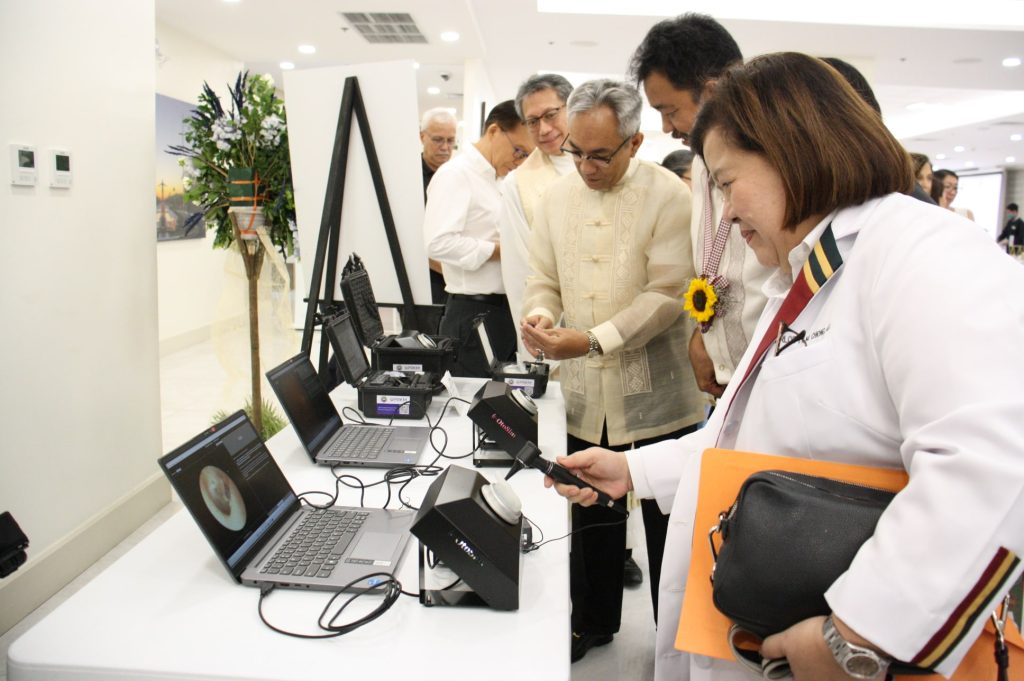
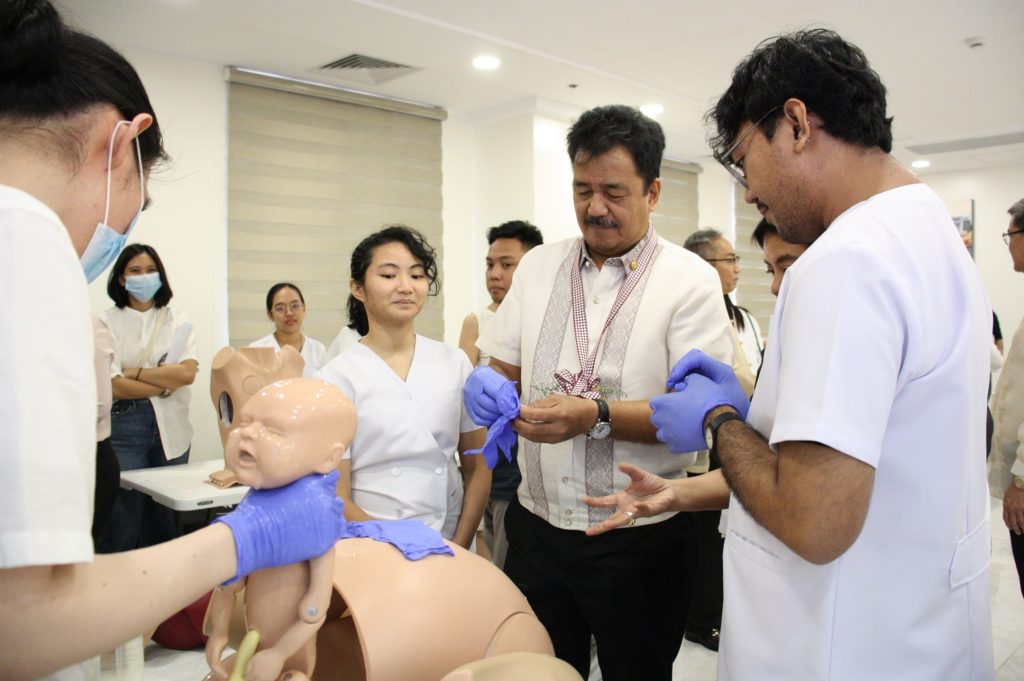
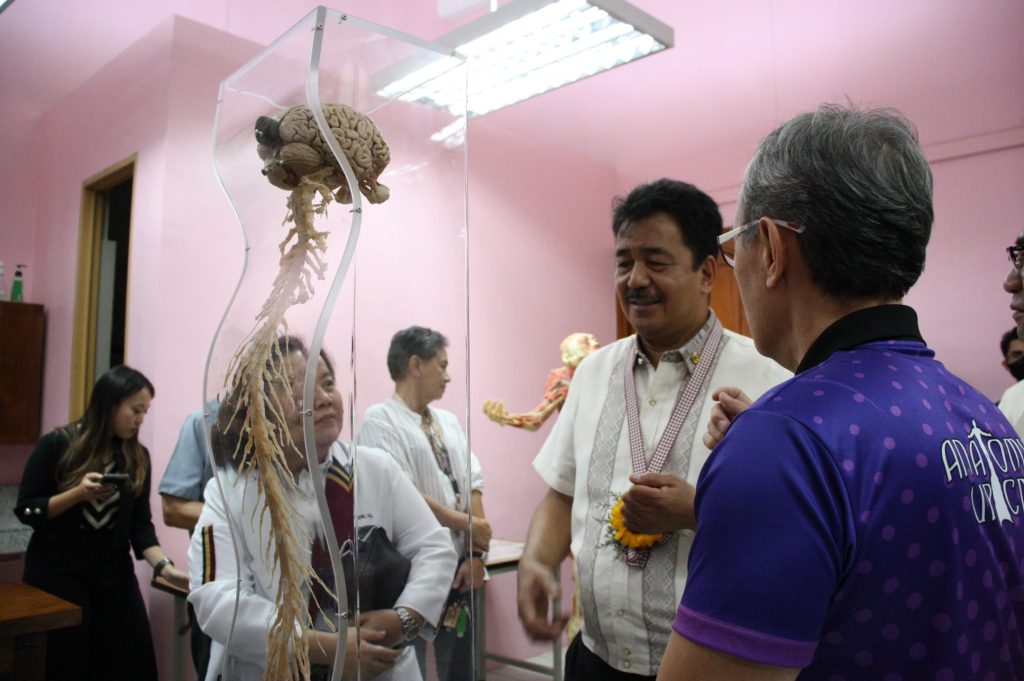
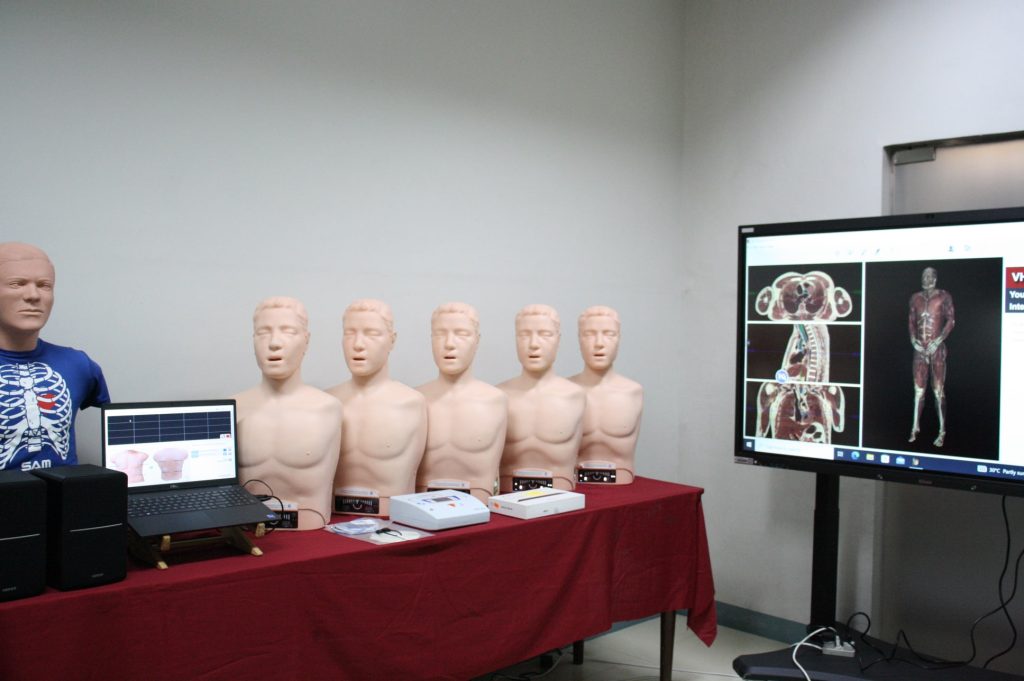
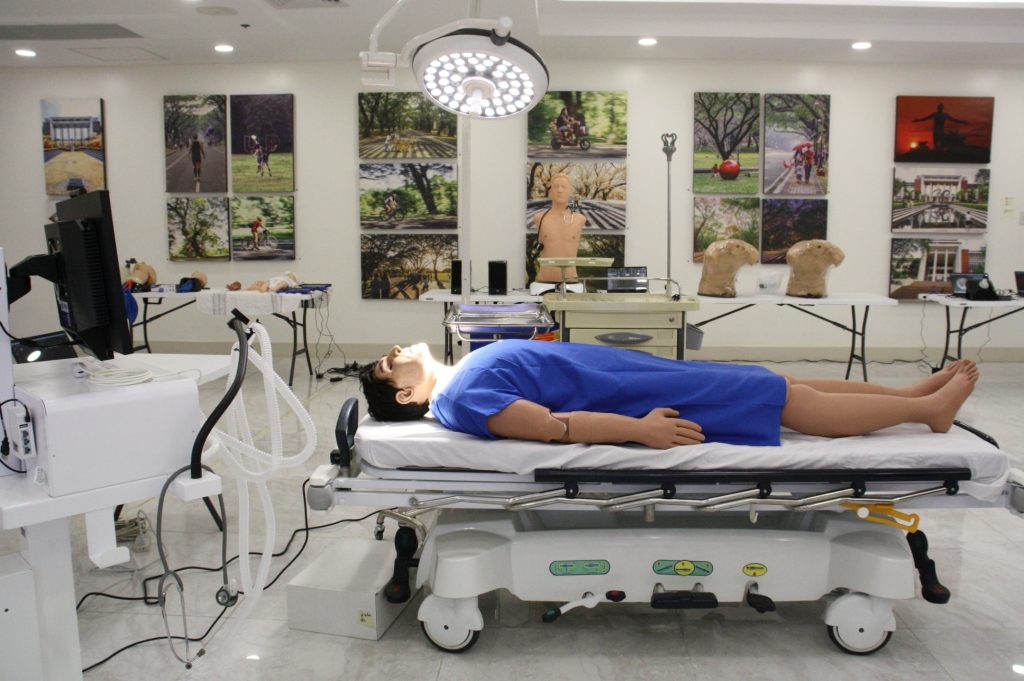
On August 2, 2024, the colleges of medicine, dentistry, and nursing expressed gratitude for CHED’s substantial contributions to enhancing their instructional and learning facilities. Through the CHED-LAKAS and the Institutional Development and Innovation Grants (IDIG) program, the following upgrades were made available in UP Manila: P24.9 million investment in simulation laboratories equipped with a Virtual Reality-Haptic (VR-H) Dental Simulator System for advanced training, a P39.7 million worth of modernized instructional laboratories with plastinated specimens, a P14 million allocation for a digital library of histology and histopathology tissue samples, and a P76 million fund for Simulation-Based Education (SBE), Training, Collaboration, and Research initiatives.
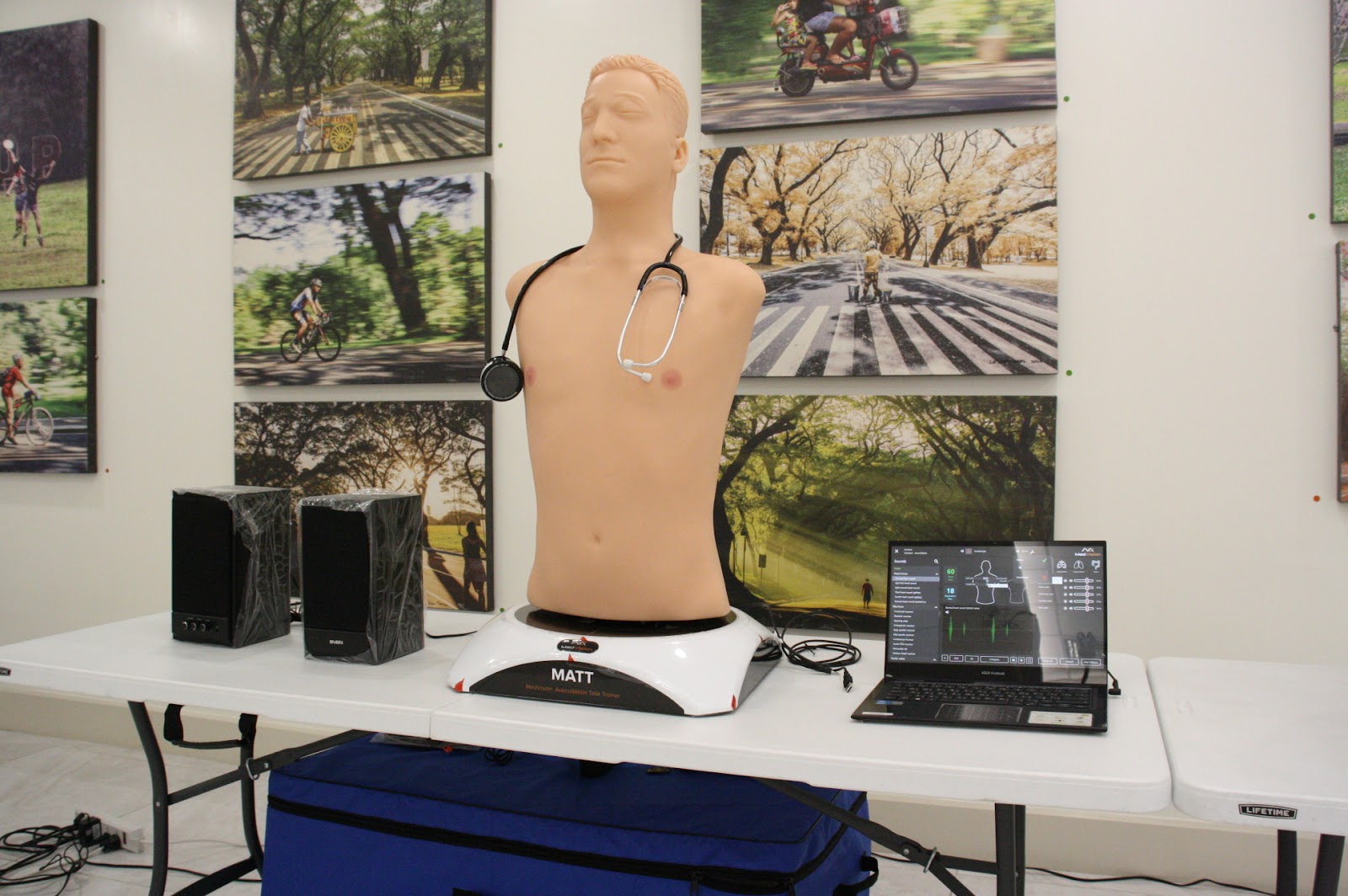
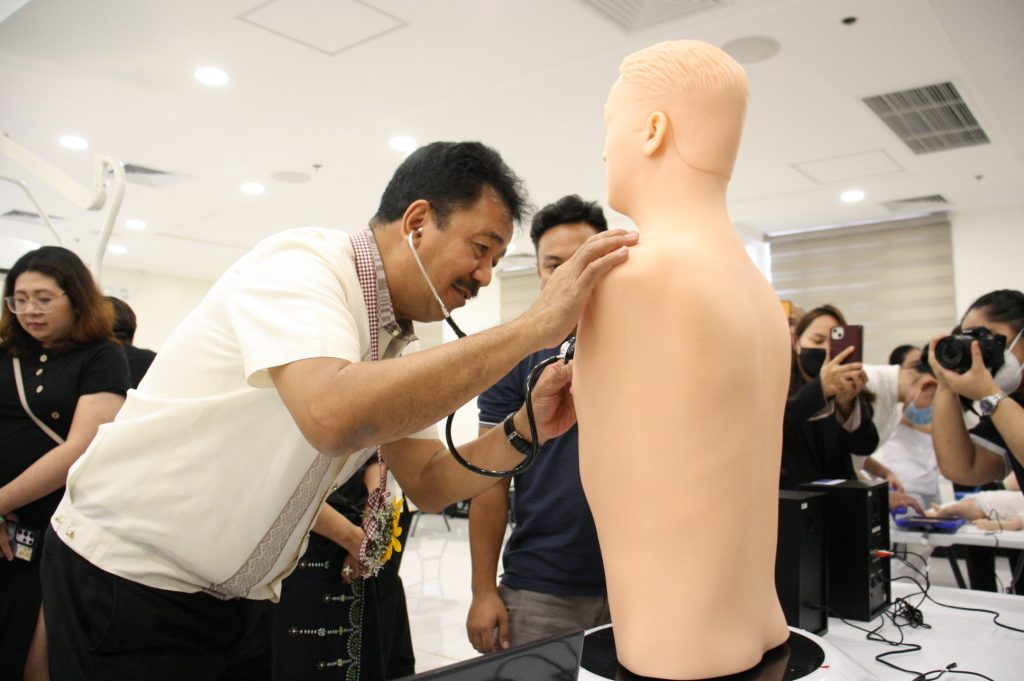
Auscultation Trainer
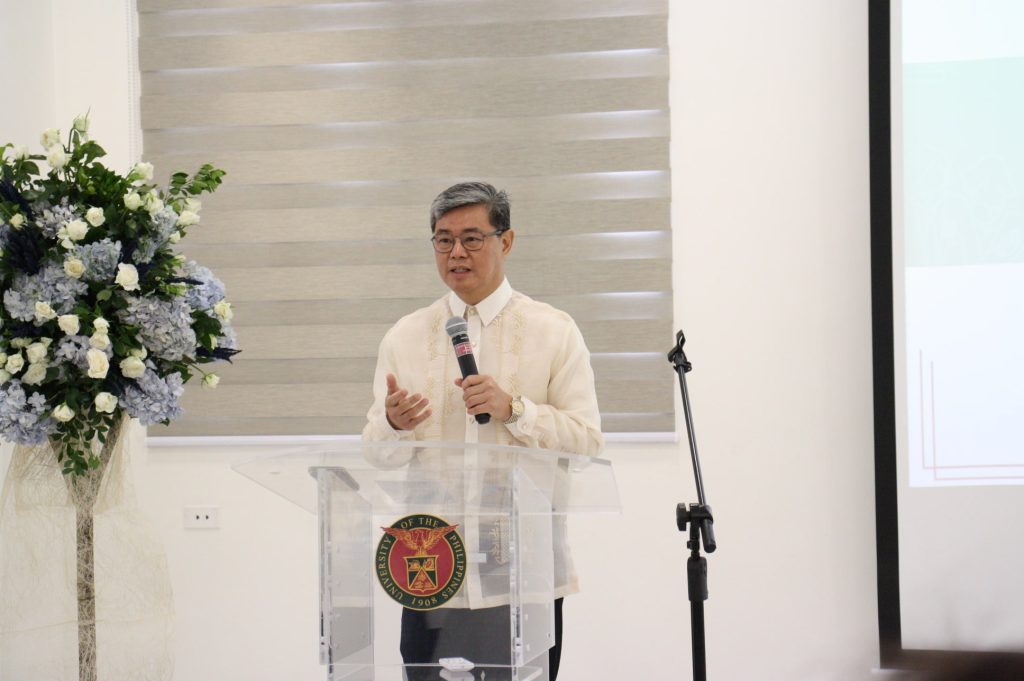
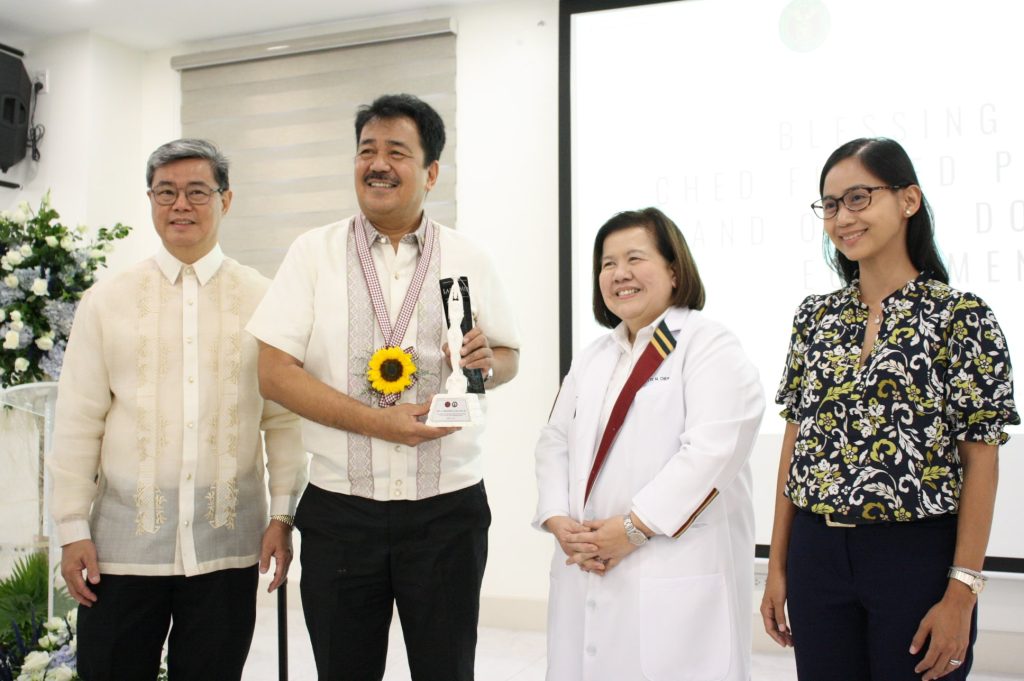
“Bubuksan ng UP ang pintuan para sa kaguruan ng mga kursong pangkalusugan mula sa iba’t-ibang state universities and colleges upang maibahagi rin sa kanila ang mga natutunan namin dahil sa suportang inilaan ng CHED sa pamamagitan ni Chair Popoy de Vera,” Chancellor Michael L. Tee said during a program at the Henry Sy Sr. Hall.
Chancellor Tee also thanked CHED for supporting UP Manila faculty members who underwent simulation-based education training at the University of Adelaide in Australia and Singapore.
Meanwhile, Dr. Charlotte M. Chiong, Dean of the College of Medicine, hailed the digital transformation of educational instruction at UP Manila. At the same time, she also encouraged UP Manila health sciences graduates to join the faculty ranks of new medical schools and take part in shaping the future of medical education.
To date, 22 new medical schools have emerged to keep up with the rise in medical students following the 2021 passage of Republic Act (RA) 11509 or the Doktor Para sa Bayan Act which provides a Medical Scholarship and Return Service (MSRS) program for deserving students.
Guest of Honor, CHED Chairperson J. Prospero E. De Vera III said he is optimistic that through the university’s newly trained faculty members and upgraded medical education equipment, UP Manila will excel in its mission of providing unique and distinct leadership in higher education.
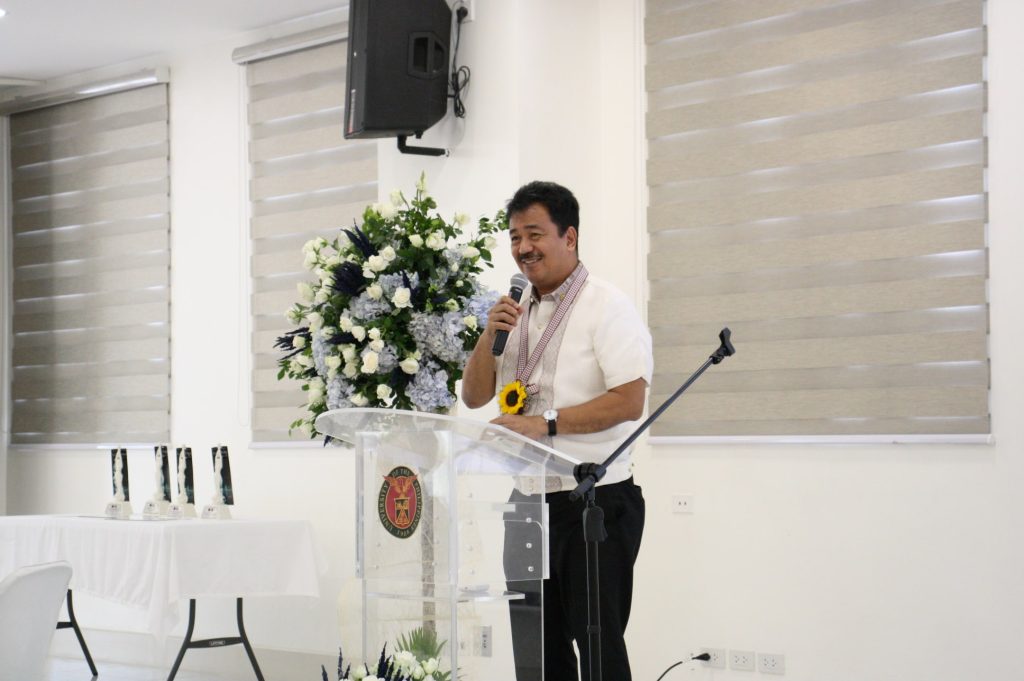
“The measure of how good the college of medicine is would be in terms of its ability to make all other colleges of medicine become better,” De Vera said. “How much better can you make the faculty become better teachers, how you can influence the way they teach, how they use technology, and how you can make medical education at par with the rest of the world.”#
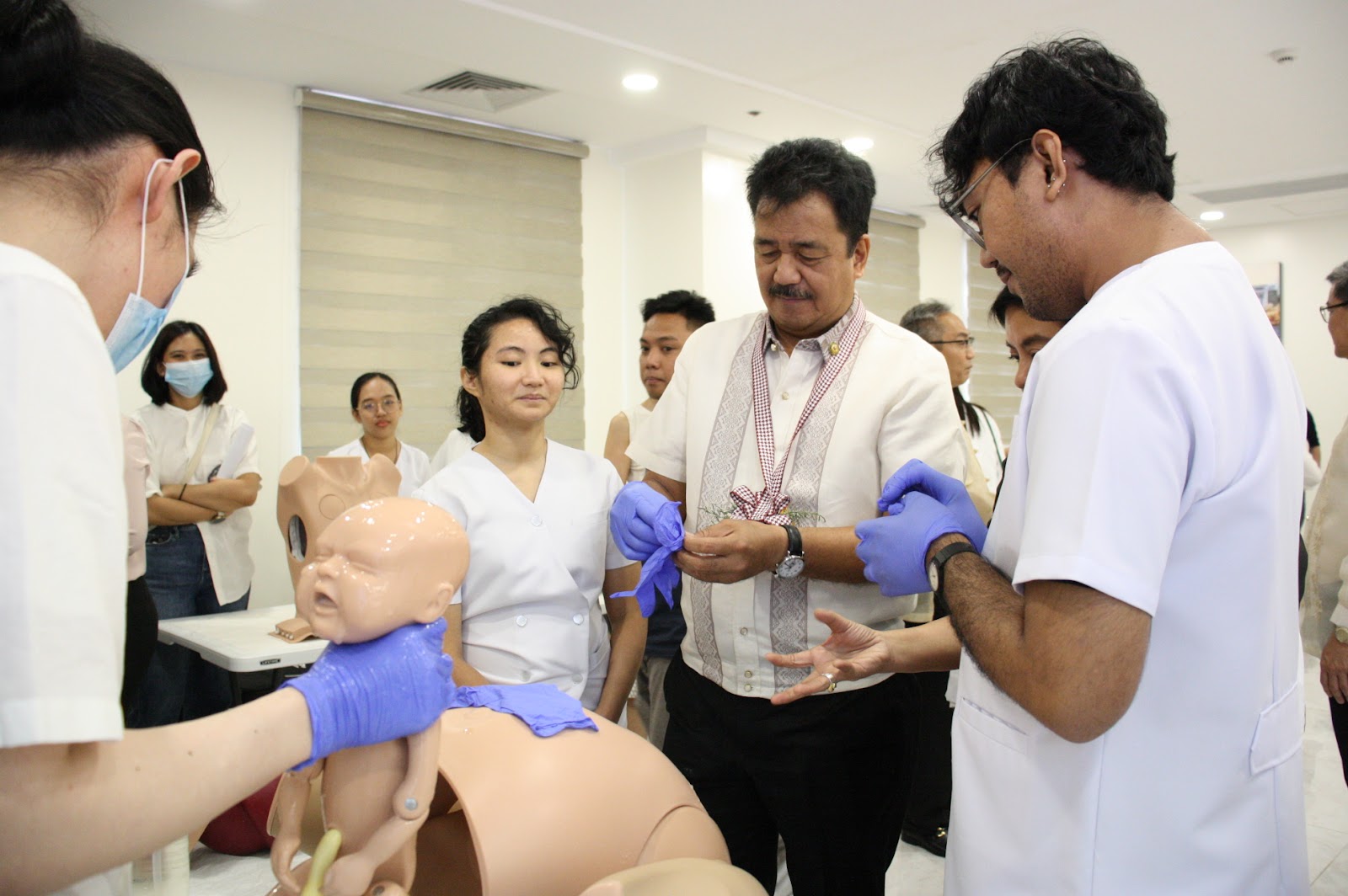
CHED Chairperson Popoy de Vera (middle) gains hands-on experience with the birthing simulator with guidance from students of the college of medicine.
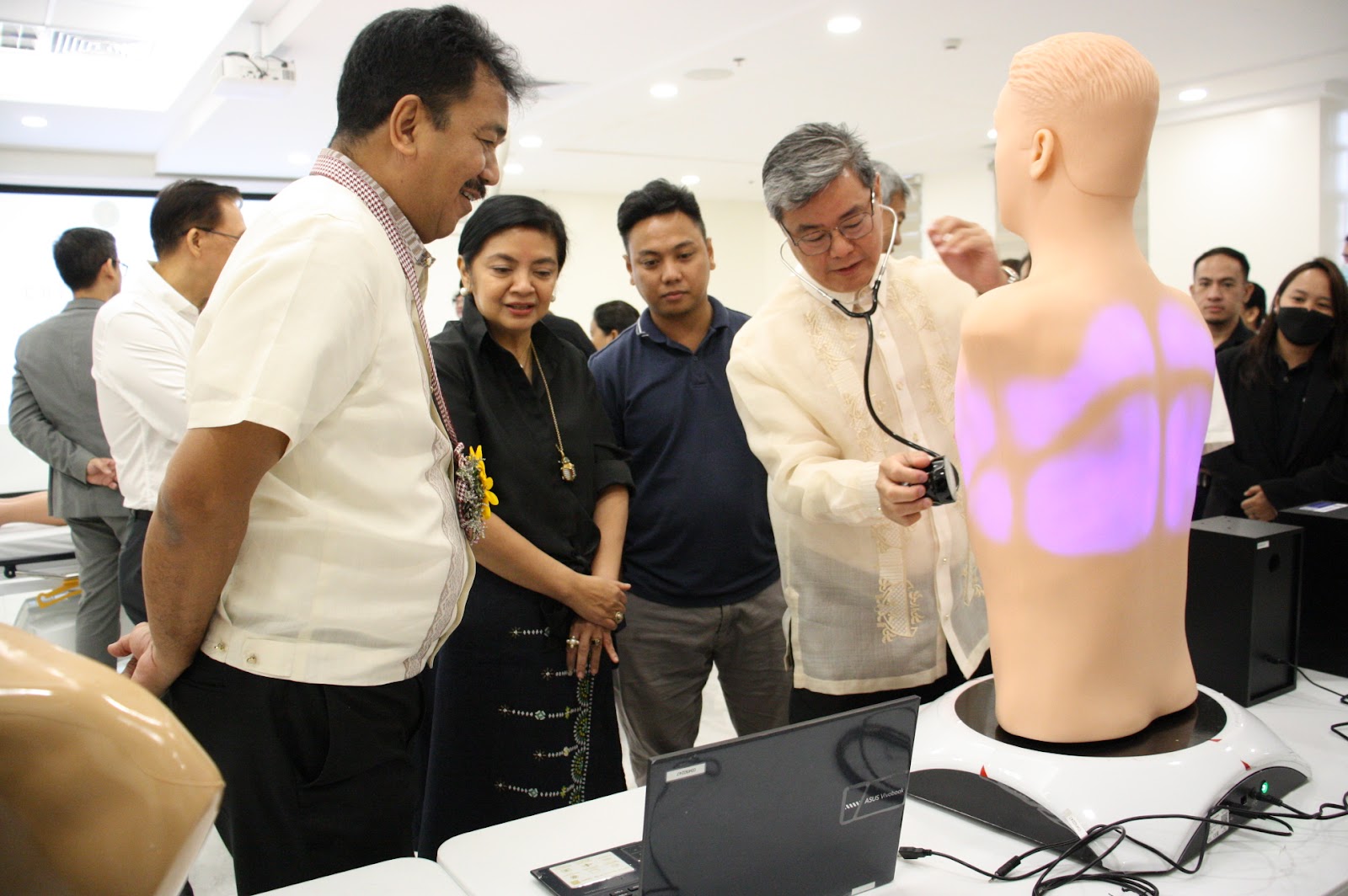
Chancellor Michael Tee (right) shows CHED Chairperson Popoy de Vera (left) how to use the Auscultation Trainer as guests look on.