

Text by: Charmaine a. Lingdas
Photo by: Joseph a. Bautista
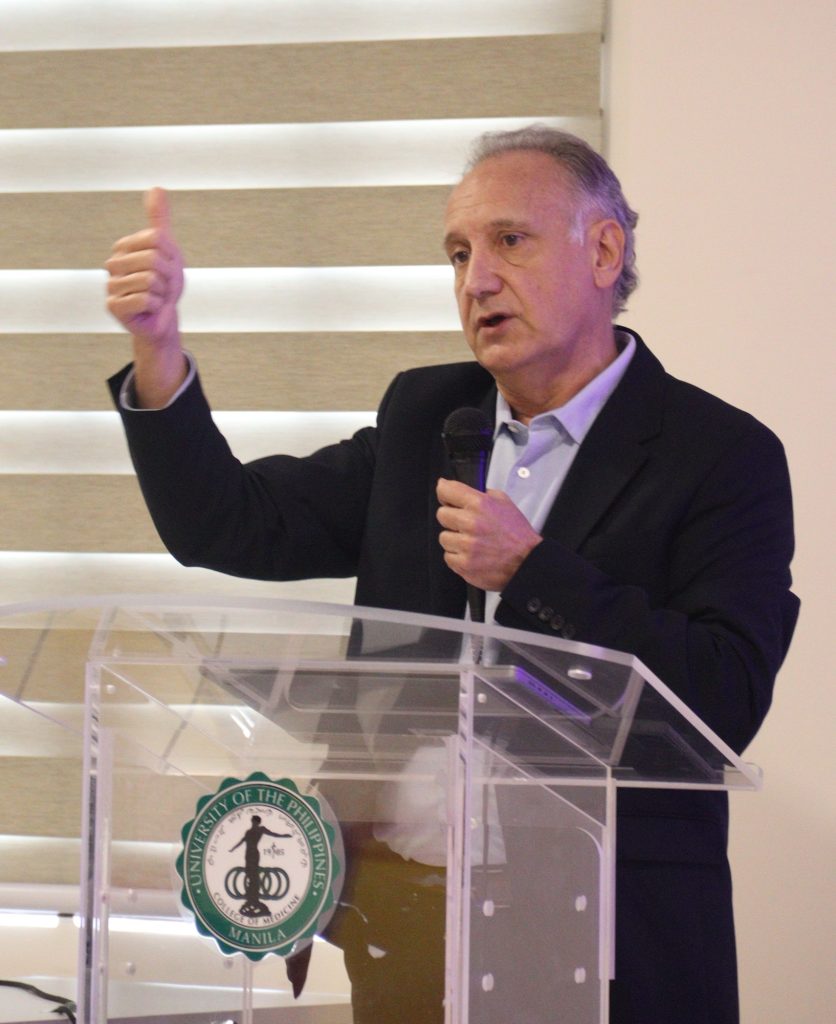
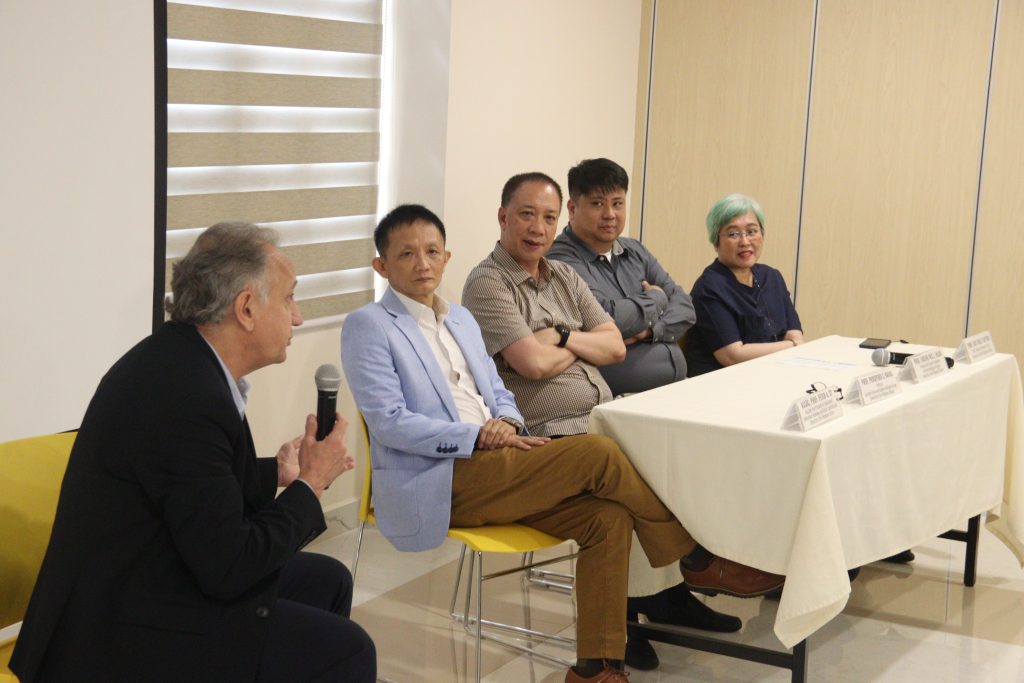
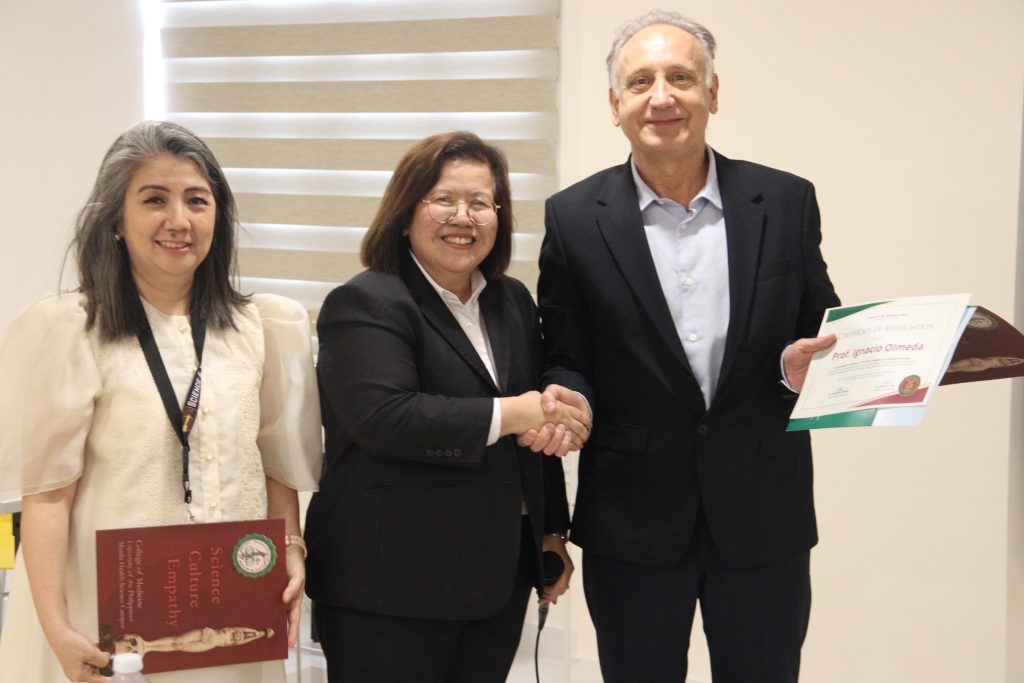
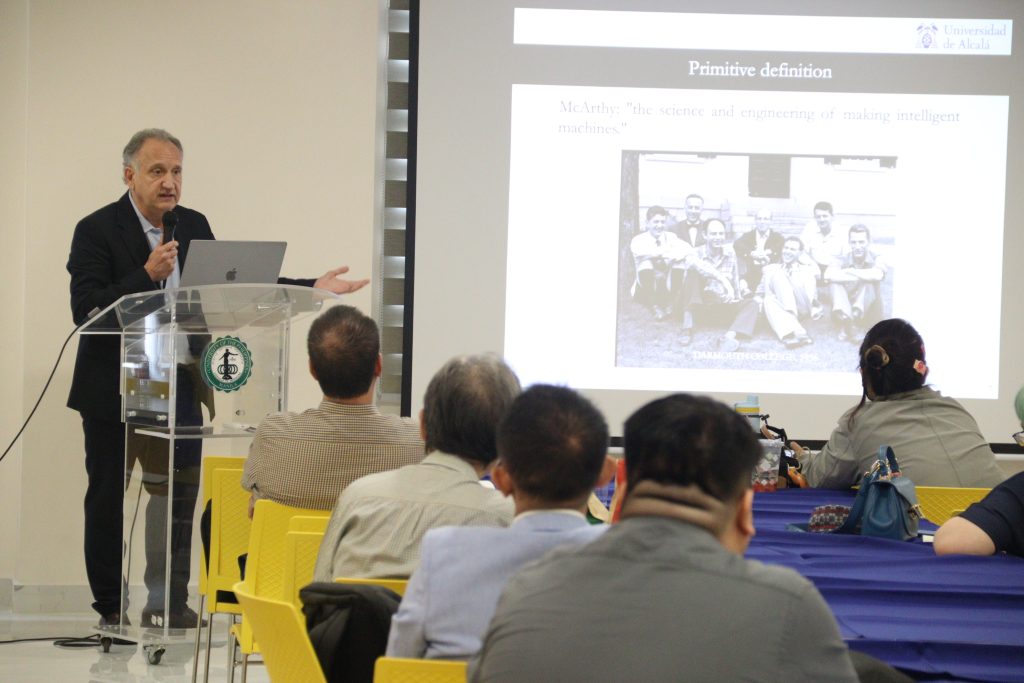
This was emphasized by Professor Ignacio Olmeda, Director of the Laboratory of Computational Finance Universidad de Alcalá, Madrid Spain in his lecture about “Artificial Intelligence in Medical Education” during the International Academic Colloquium on March 26, 2024, at Henry Sy Sr. Building, College of Medicine.
Prof. Olmeda defined Artificial Intelligence (AI) as ‘intelligent machines’ with the ability of knowledge but is created by humans. In his discussion, he said 84% of people are users of AI but only 34% are aware they are using it.
“Healthcare is the place for employing artificial intelligence. Because of course if you have a good diagnostic test that you can implement in very remote areas in the Philippines which are very difficult to reach physically, then of course you improve a lot of the quality of life of many people,” asserted Prof. Olmeda.
He explored the importance of AI in healthcare, highlighting its significance in addressing challenges such as the rapidly aging population and the shortage of healthcare professionals. He said AI serves as a tool to augment medical practices, offering solutions to prevent or minimize medical errors. Furthermore, it enhances diagnostic accuracy, improves therapeutics, and advances clinical research. Importantly, AI presents an opportunity to reevaluate decision-making processes in healthcare.
The World Bank predicts that by 2030, 50% of tasks could be automated, potentially resulting Experts: Use of Artificial Intelligence Can Improve Healthcare Delivery in a 50% unemployment rate or reduced work
hours. Similarly, the 2023 World Economic Forum states that clerical and secretarial positions, including Bank Tellers, Postal Service Clerks, Cashiers, and Ticket Clerks are rapidly declining due to technological
advancements and digitalization.
Prof. Olmeda stressed that the impact of AI on the workforce depends on the quality of data input and that is “the reason why some systems in healthcare fail. Because either the task, the data, or the performance function are not properly designed.
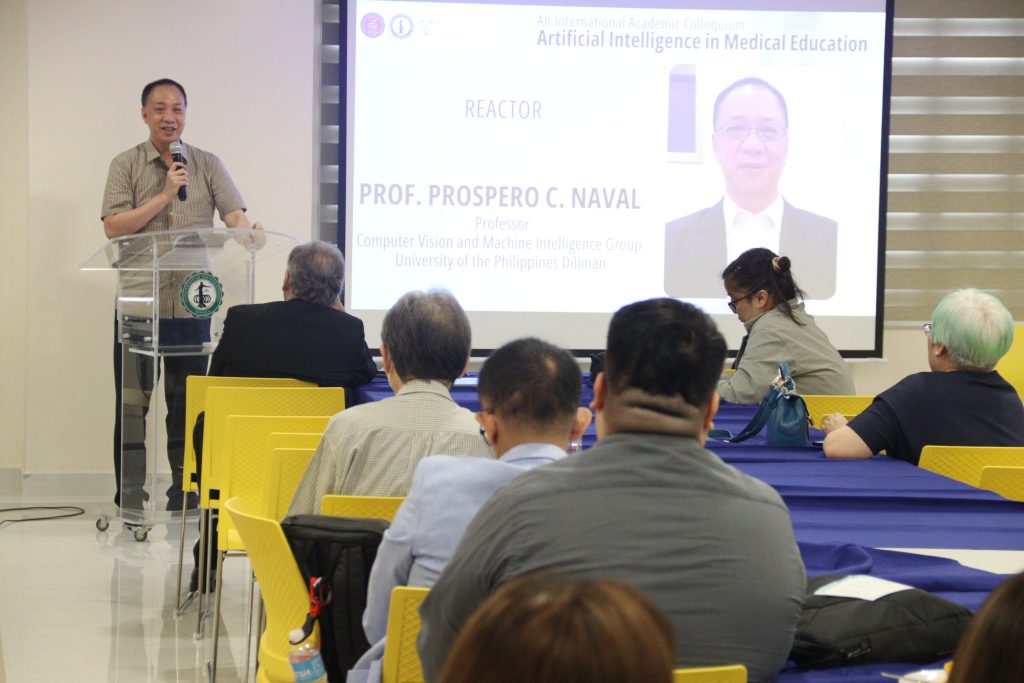
Despite this, there is no need to be afraid of AI. “Don’t be threatened by AI. You are not going to be replaced by AI, but you will be replaced by doctors who know how to use AI. So, learn AI,” said Prof. Prospero C. Naval, Professor, Computer Vision and Machine Intelligence Group of UP Diliman in reaction to the lecture. He emphasized treating AI as a tool and highlighted that humans have empathy, something that AI cannot replicate.
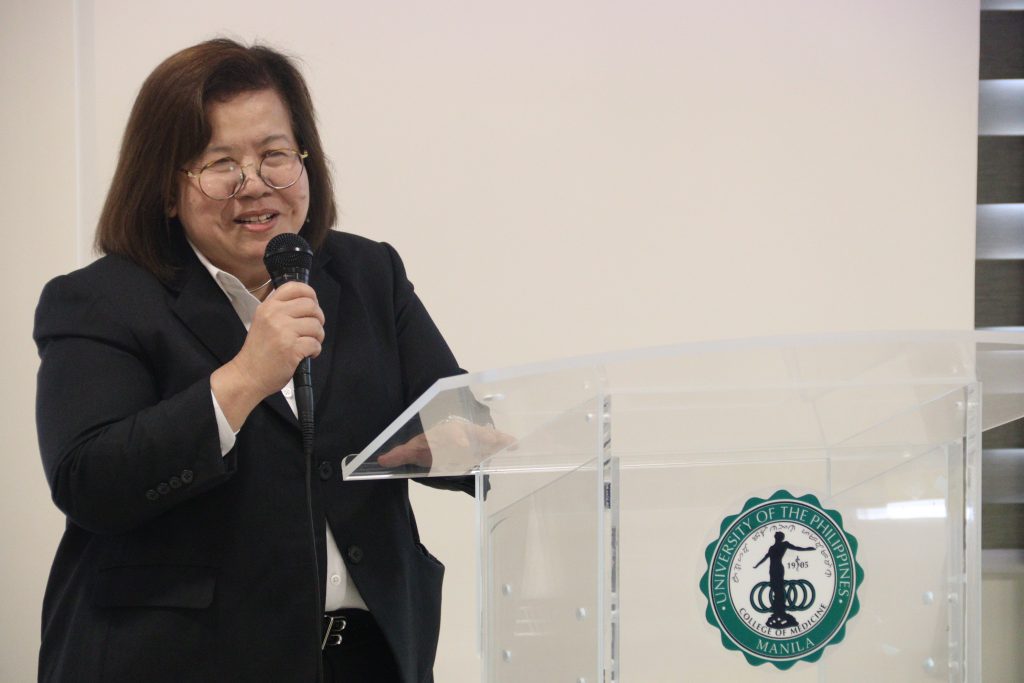
“AI has greatly impacted many aspects of our lives, and while we may marvel at how it has changed our lives, we anticipate even more profound changes in the future. To learn more about it will allow us to have more understanding as to how it can help us to improve our lives, our health, and also our communities,” asserted UP College of Medicine Dean Charlotte Chiong.
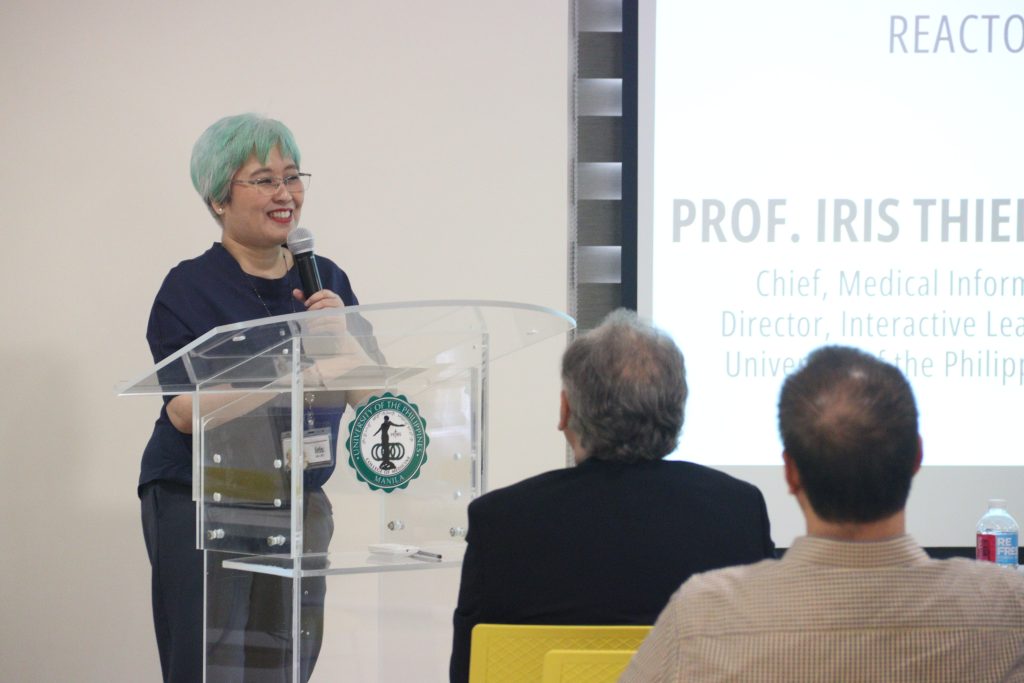
Dr. Iris Thiele Isip-Tan, Director of the Interactive Learning Center of UP Manila and Professor Eugene Rex L. Jalao, Program Coordinator of the Artificial Intelligence Program of UP Diliman both agreed that AI is only good as its data sets and that even the best AI model is rendered useless if users cannot effectively utilize it. Dr. Isip-Tan also cautioned against placing too much trust in AI to the point where we hesitate to question their output.
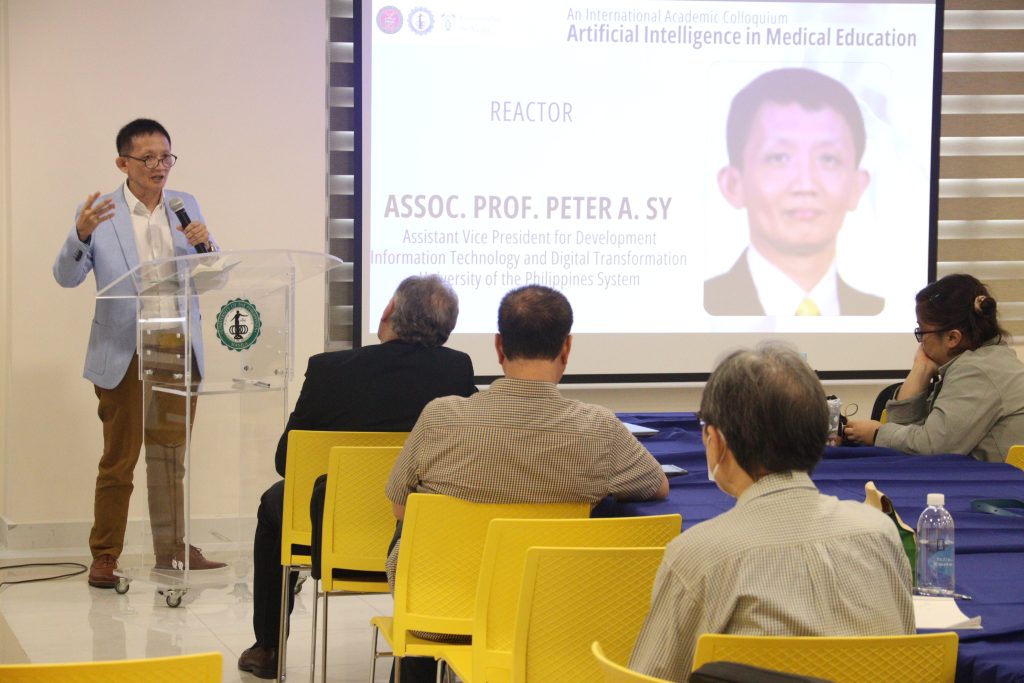
Meanwhile, Prof. Peter A. Sy, Assistant Vice President for Development Information Technology and Digital Transformation, UP System said “Digital inequity would be exacerbated if we are not positioning ourselves and fail to use AI for our purposes.”
On the topic of integrating AI in the medical curriculum on whether to integrate AI in the medical curriculum, Dr. Isip-Tan discussed that it is essential to start at the basic level of medical informatics and then gradually integrate AI into the curriculum. #